There’s a soft delight in stepping through your front door and taking that gentle breath—the sense that you’ve truly arrived. The space enfolds you, the air appears softer, and somehow, the mood lifts. It’s not just the furniture, the colours, or the way the cushions are plumped. More often than not, it’s the art that links everything together.
Art is able to transform any interior. It can warm up a cool, minimalist room, breathe personality into a calm corner, and tip the balance just so—turning a house into a home. But even the most engaging piece can lose its sound if it’s the wrong size for the space.
Getting the proportions right is one of the simplest ways to let your space sing. When the art fits, the whole room feels more thoughtful, more consistent, and more in tune with the people who call it home.
Portrait paintings can bring personality, emotion and character to a home. The portrait can represent a person, a memory, a feeling or a connection that brings joy.
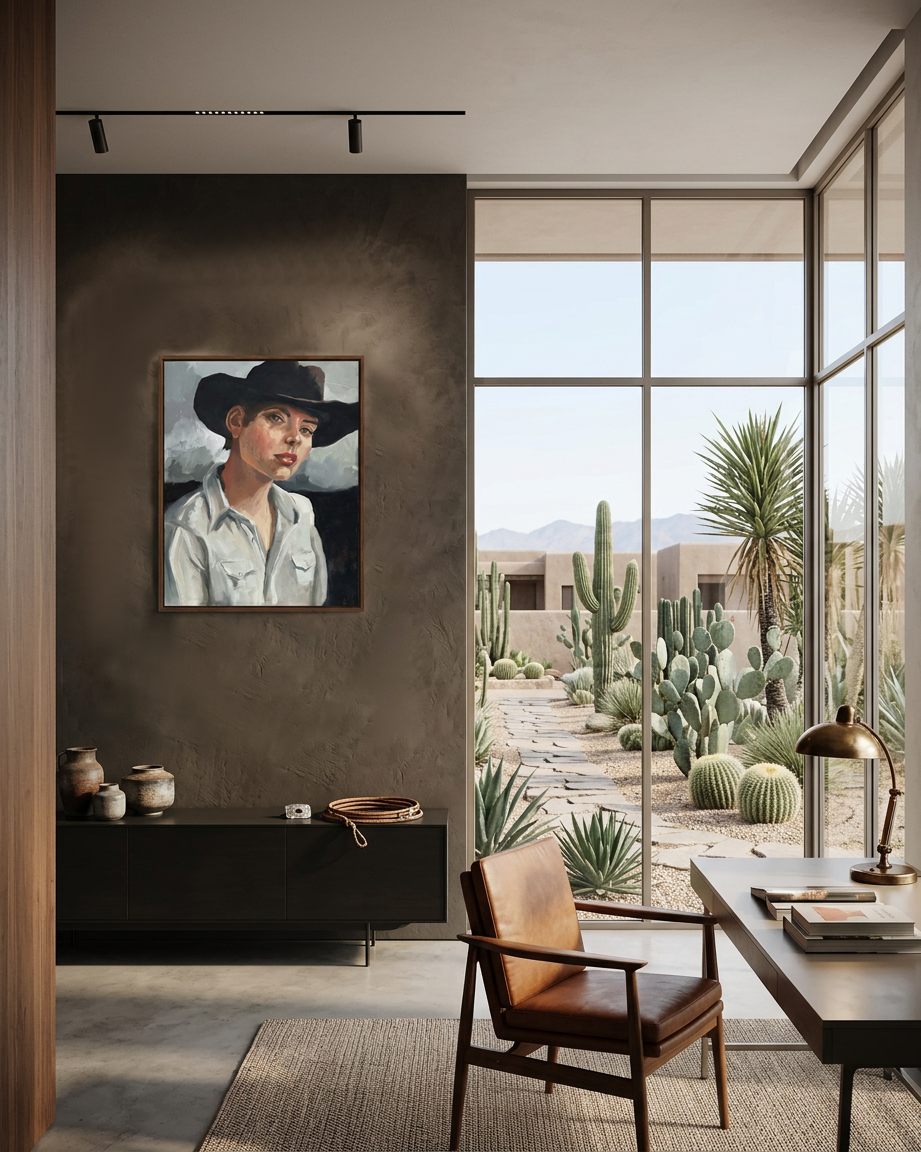

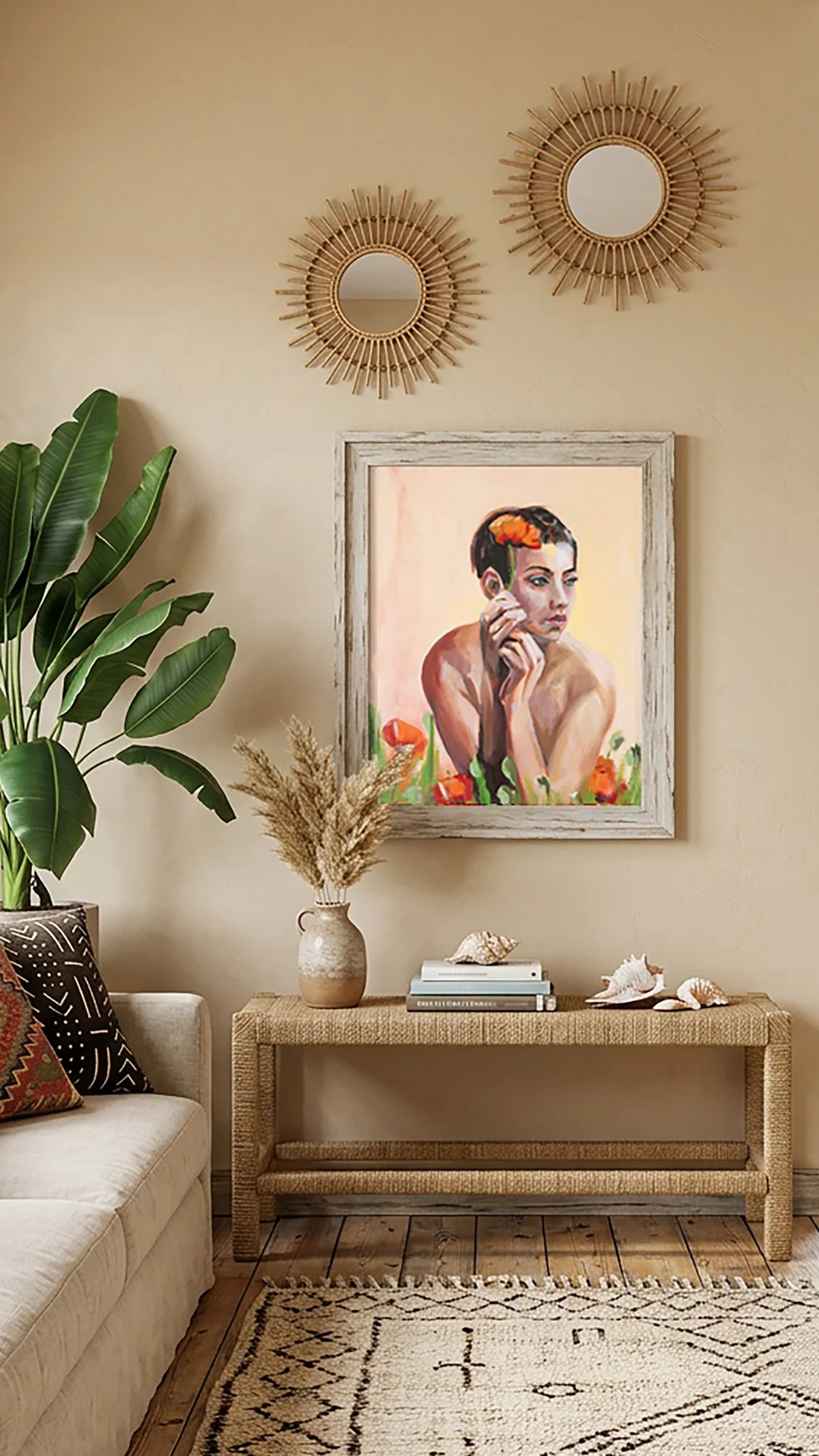
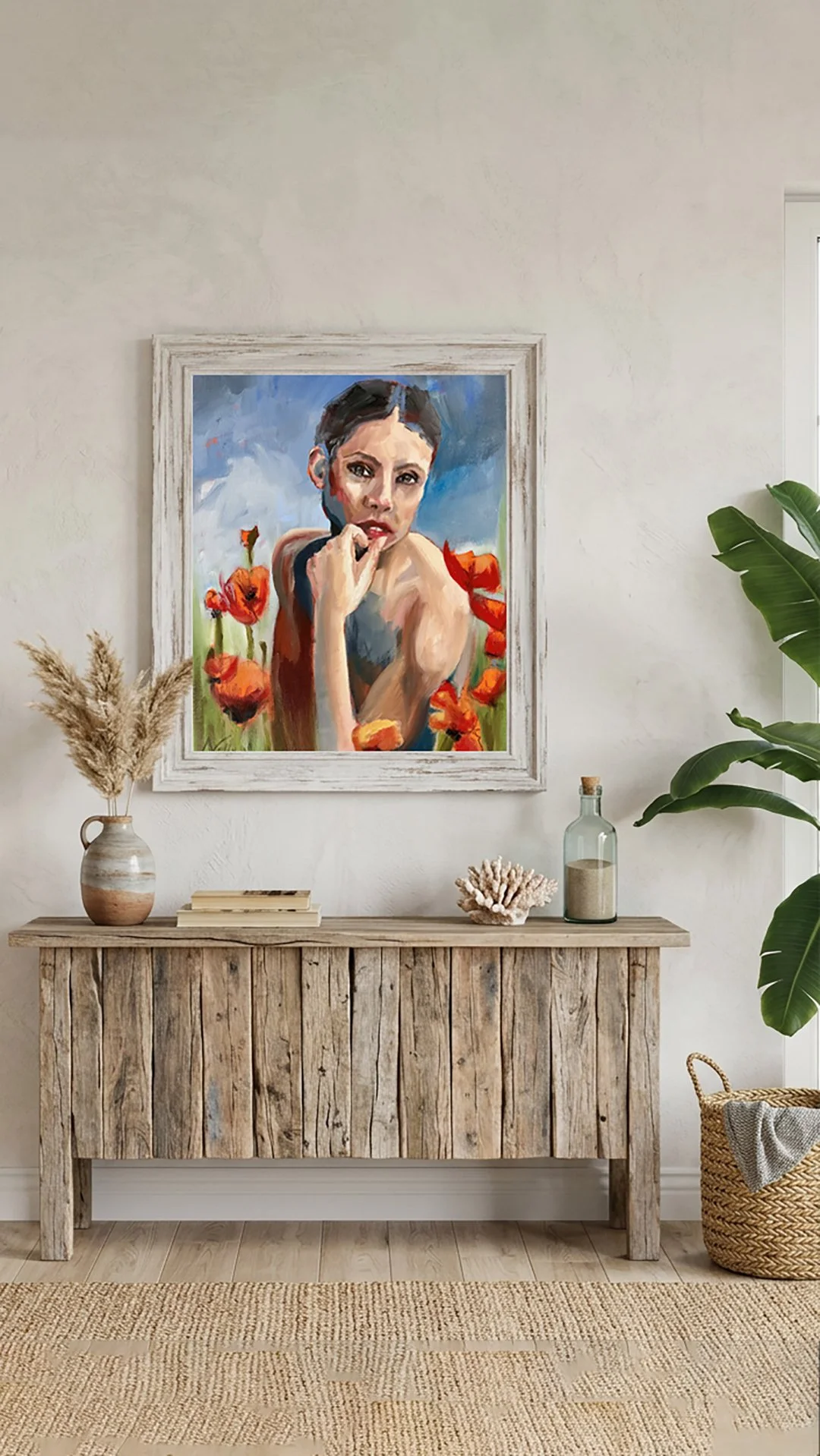
Why Size Matters More Than You Think
It’s easy to fall for a piece of art—a flash of colour, a mood, a memory it stirs—without pausing to imagine how it will actually live on your wall. But the size of the piece is just as vital as the art itself.
A painting that’s too small can look like it’s whispering from the corner, leaving the wall feeling bare and incomplete. Go too big, and the art can shout over everything else, drowning out the room’s quiet beauty. The sweet spot is a size that feels deliberate—one that relates to the architecture, sits comfortably with the furniture, and lets the art become part of the room’s story.
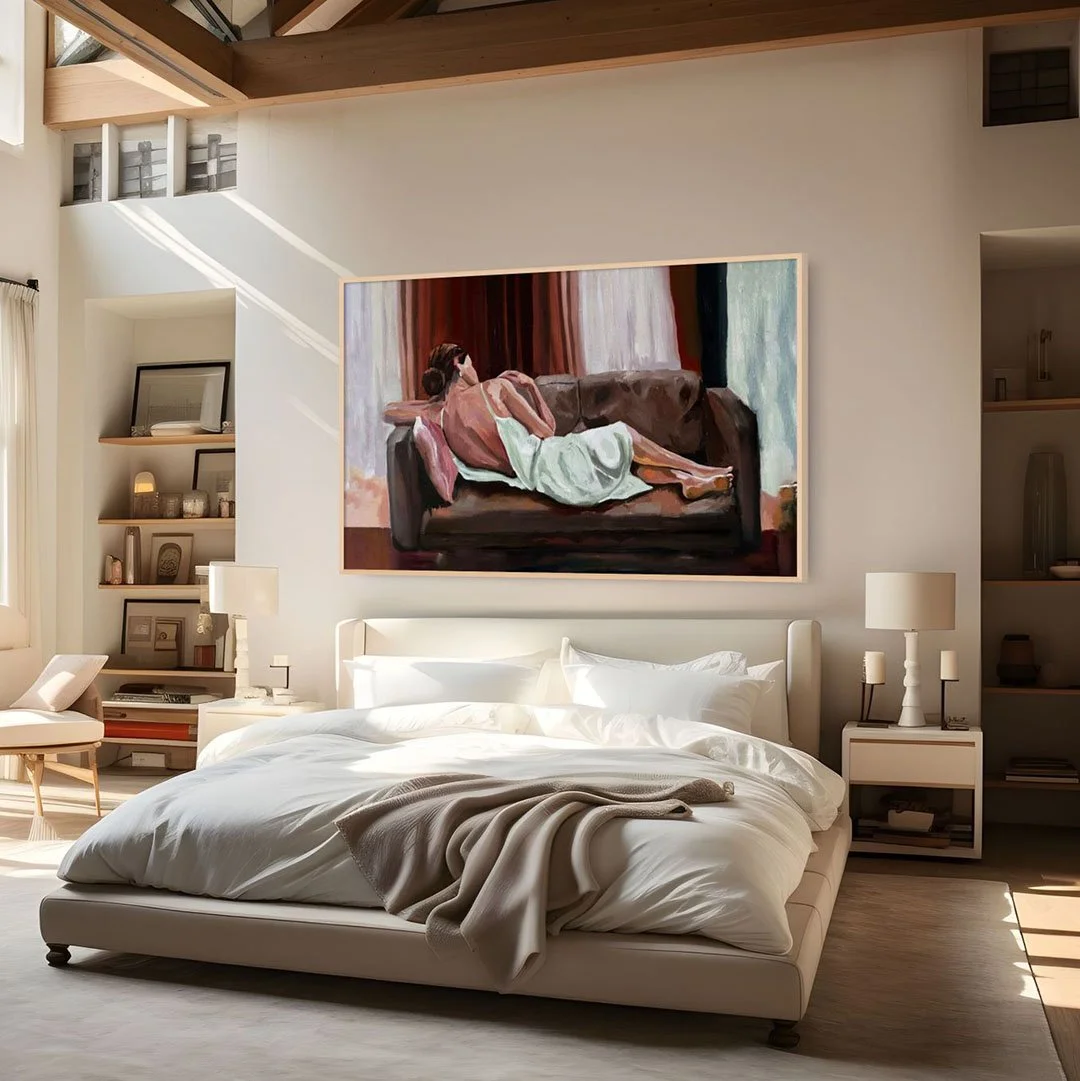
Modern Interiors embrace warm minimalism, organic comfort, and a warm, tactile palette in organic shades that turn your house into a calm, live-in sanctuary. The right-sized artwork can become the room's heart, drawing the eye, adding intrigue, and softening contemporary design's edges.
Art isn’t just an afterthought—it’s as essential as the walls alone.
Layer and place intimately:
One of the easiest ways to choose the right size artwork is to look at the furniture beneath it.
Above a sofa: Aim for artwork or a collection of pieces that measures nearly two-thirds to three-quarters of the sofa's width. This creates a natural visual connection between the furniture and the wall. A generous horizontal canvas works beautifully in a contemporary living room, while a deliberately arranged pair or trio of artworks creates a more layered look.
Above a bed: Consider the bed's width and the headboard's height. A single statement element or a balanced pair of artworks can anchor the space and bring calm to the bedroom. As a starting point, choose a composition about two-thirds to three-quarters of the bed's width. To make a small bedroom feel larger, a full-size artwork above the bed looks grander.
Above a console or sideboard: Let the artwork feel anchored to the furniture, not drifting alone on the wall. One bold piece can stand tall and sculptural, or a thoughtfully gathered cluster can introduce layers of character and depth.
These proportions are guidelines, not strict rules. Ceiling height, wall space, furniture design, and the room's overall mood should all influence your final decision.
Outside the square: A small artwork where you get your make-up done and decide your outfit can let you be personal and adventurous.
Casually propped: lean a framed portrait on a mantelpiece, a timber sideboard or a bookshelf. Surround it with small stacks of books, a ceramic vase or dried florals for a relaxed look.
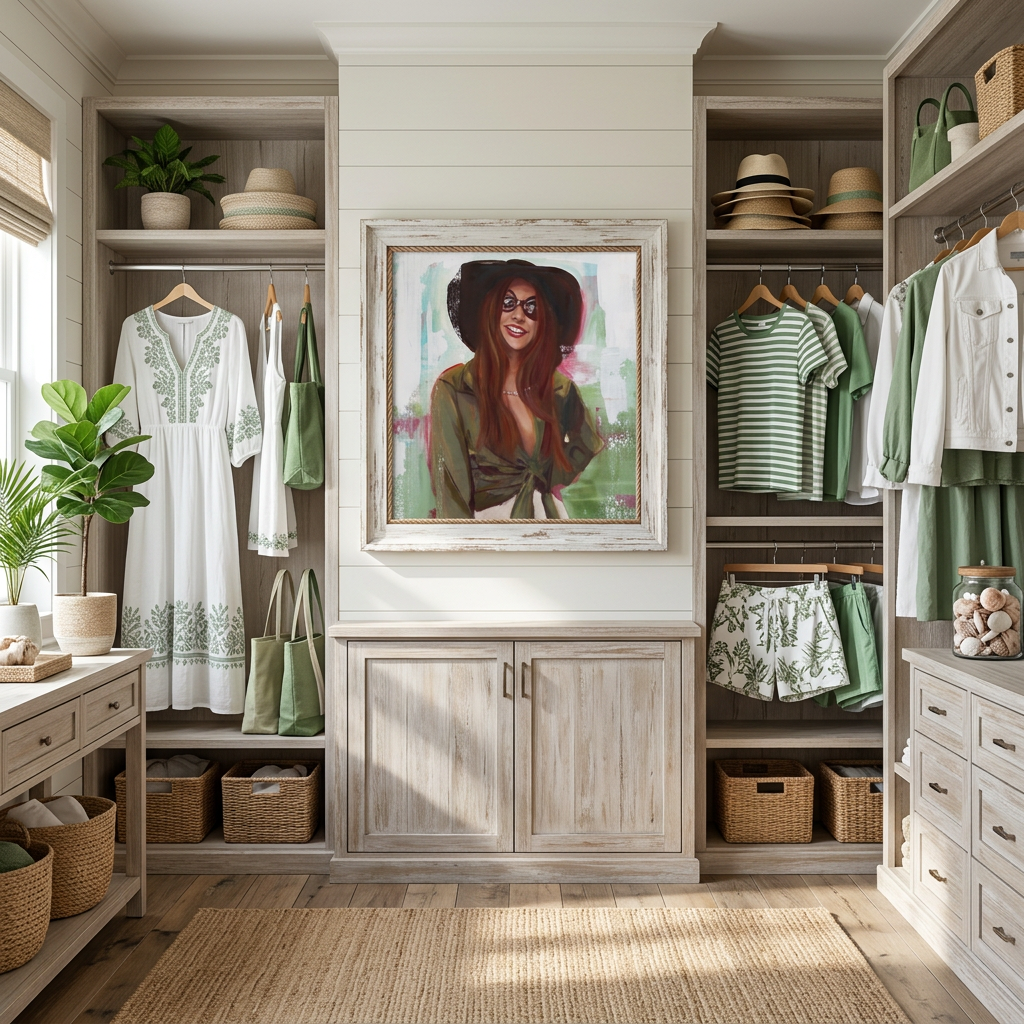
A joy to walk into this wardrobe with an inspirational artwork.
The Power of One Large Artwork
One sweeping piece can bring comfort and silent confidence, filling the space without crowding it.
In a living room with a restrained colour palette, a carefully selected burst of colour in a painting can add vibrancy and emotion. In a dining area, a bold composition can create a natural gathering point. In an entryway, an impressive piece of art can set the mood for the entire home before a guest has even taken off their coat.
Big art lets you be choosy. Instead of covering every wall, one meaningful piece can breathe and genuinely shine.
The real trick is choosing art that feels right for both the room and you. It doesn’t have to match every cushion or mirror every shade in your sofa. Sometimes, the most memorable spaces are the ones where the art brings a flash—a dash of contrast, a trace of energy, or a colour that wakes up the whole room.
Small Art Can Make a Big Impression, Too
Bigger isn’t always better. Small artworks can be powerful, especially when you place them thoughtfully.
A small painting can give a reading nook its unique pulse, add a trace of interest to a hallway, or create a moment of surprise in a quiet room. Gather a handful of smaller pieces to build a gallery wall that tells its personal story.
The secret is in the composition. Instead of letting small pieces drift across a big wall, gather them intentionally. Keep the spacing steady, line up the edges where it feels right, and let the group connect with the furniture and the bones of the room.
A gallery wall ought to feel like a story developing, not a jumble of objects all shouting for attention.
Fall in Love First, Measure Second
When you fall in love with a piece of Art, wander through your home with new eyes and a measuring tape, and you’ll be surprised where you can find a perfect spot for your new love.
Stick painter's tape in the size of the artwork, then step back, wander around the room, and see how it feels. Does it ground the space? Is there enough room to breathe? Does it sit comfortably with the furniture?
Or cut a piece of paper to size and stick it up for a day or two. It’s a simple way to see the scale before you commit.
Don’t forget the frame. A chunky frame can add heft and height to a smaller piece, allowing it to look more impressive and have the correct size for the wall. A floating frame or no frame lets the canvas be its true size without taking up the whole wall.
Hang It at the Right Height
Even the most perfectly sized piece can feel off if it’s hung too high or too low.
A useful starting point is to position the centre of the artwork around 145–155 centimetres from the floor, adjusting for the room, ceiling height and how the space is used.
When you’re hanging art above furniture, the connection between the two matters more than any rule. Give the artwork space to breathe, yet keep it close enough to feel like it belongs. As a guide, try leaving 15–25 centimetres between the bottom of the art and the top of your sofa or console.
If your ceilings soar, don’t hang everything sky-high just because you can. Art should still speak to the people in the room and the furniture that grounds it.
Choose Art That Makes You Feel Something
Getting the size right creates balance, but the right piece of art makes a space feel truly yours.
Ask yourself how you want to feel when you step into each room. Should your living room buzz with energy and expression? Should your bedroom wrap you in peace? Should your entryway greet you with cheerfulness and a dash of character?
Colour, subject, texture, and composition shape a room's mood. Gentle, tonal art can add sophistication, while bold brushstrokes and fearless colour can bring life to a modern space. Organic shapes and natural touches can soften rooms full of straight lines and hard edges.
You don’t have to follow trends or pick art just because it matches your cushions. Instead, find something that connects with you—a piece that makes you pause, smile, remember a place you love, or simply feel good every time you see it. Cushions are easy to replace, and you can always find a new one that gently complements the colour scheme of your new artwork.
The best interiors aren’t always the ones that look perfect in a photo. They’re the ones that feel meaningful to the people who live there. Artwork that speaks to you will lift your interior more than a picture-perfect room.
Let Your Art Breathe
Modern spaces frequently shine brightest with a little restraint. Not every wall needs dressing, and not every artwork needs a crowd of objects around it.
Give your art room to breathe. When there’s space around it, the colours, shapes, and textures can truly sing. A little negative space can help a room feel calmer, more open, and more comfortable. It will become part of the artwork's presentation. Allow the piece to stand out without competing with too many neighbouring elements. If you are creating a gallery wall, keep the arrangement balanced and ensure that the collection has a clear relationship in colour, theme, framing or scale.
Sometimes, the best styling is about knowing what to leave out.
The Finishing Touch That Changes Everything
Picking the right size art isn’t simply about filling a blank wall. It’s about achieving balance, adding your own personality, and making your home feel whole.
A carefully selected piece can tie furniture to architecture, pour warmth into a pared-back space, and create a centre that draws you in. It can become a daily spark—a reminder of a place, a feeling, or a moment that matters.
So before you pick your next piece, pause to consider the proportions, take a few measurements, and imagine the mood you want to set. Then rely on your instincts.
When art feels right—in both size and spirit—it does more than decorate. It changes the way you feel at home.
That’s the true beauty of living with art: the feeling that greets you every time you step through your own door.